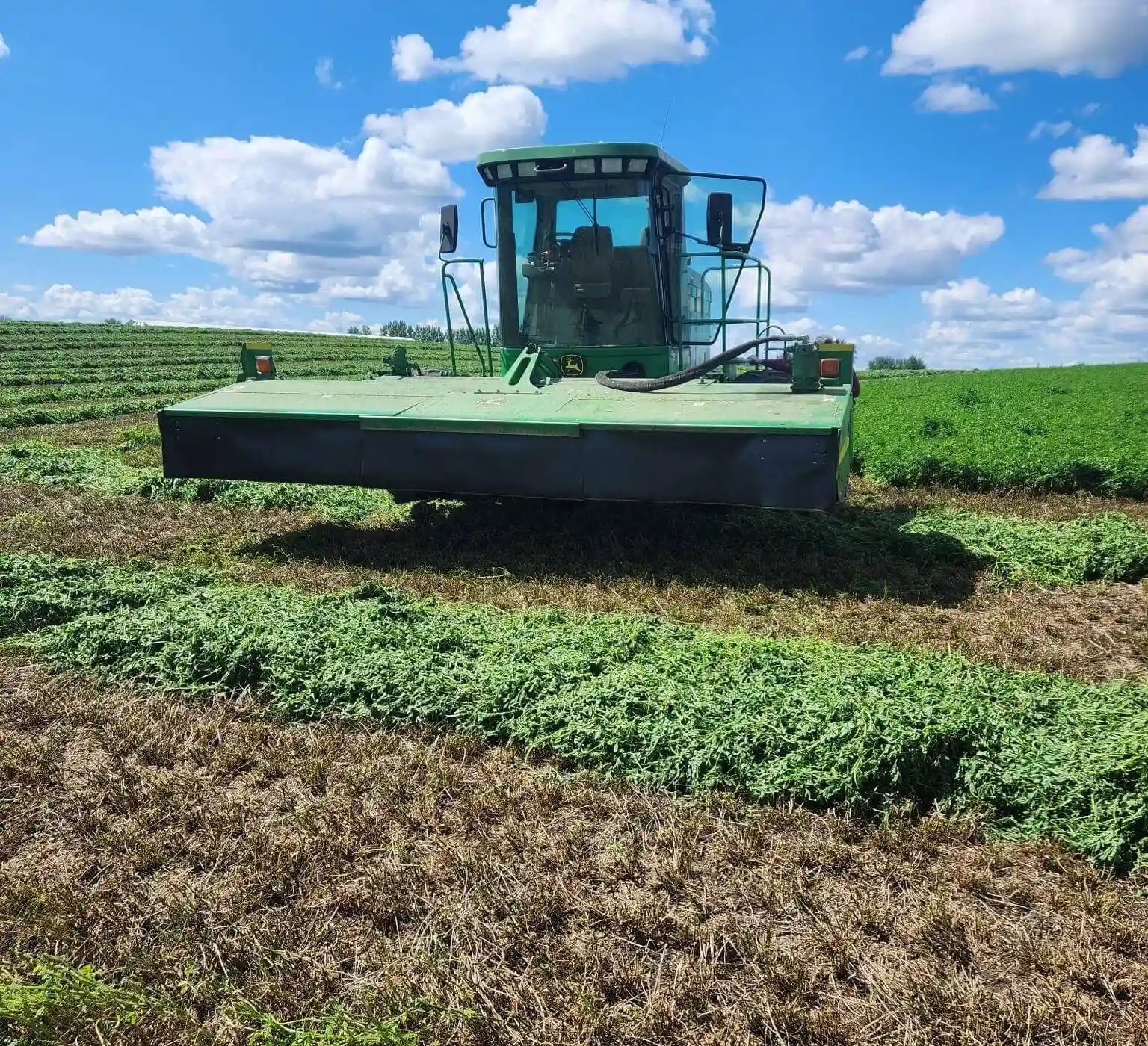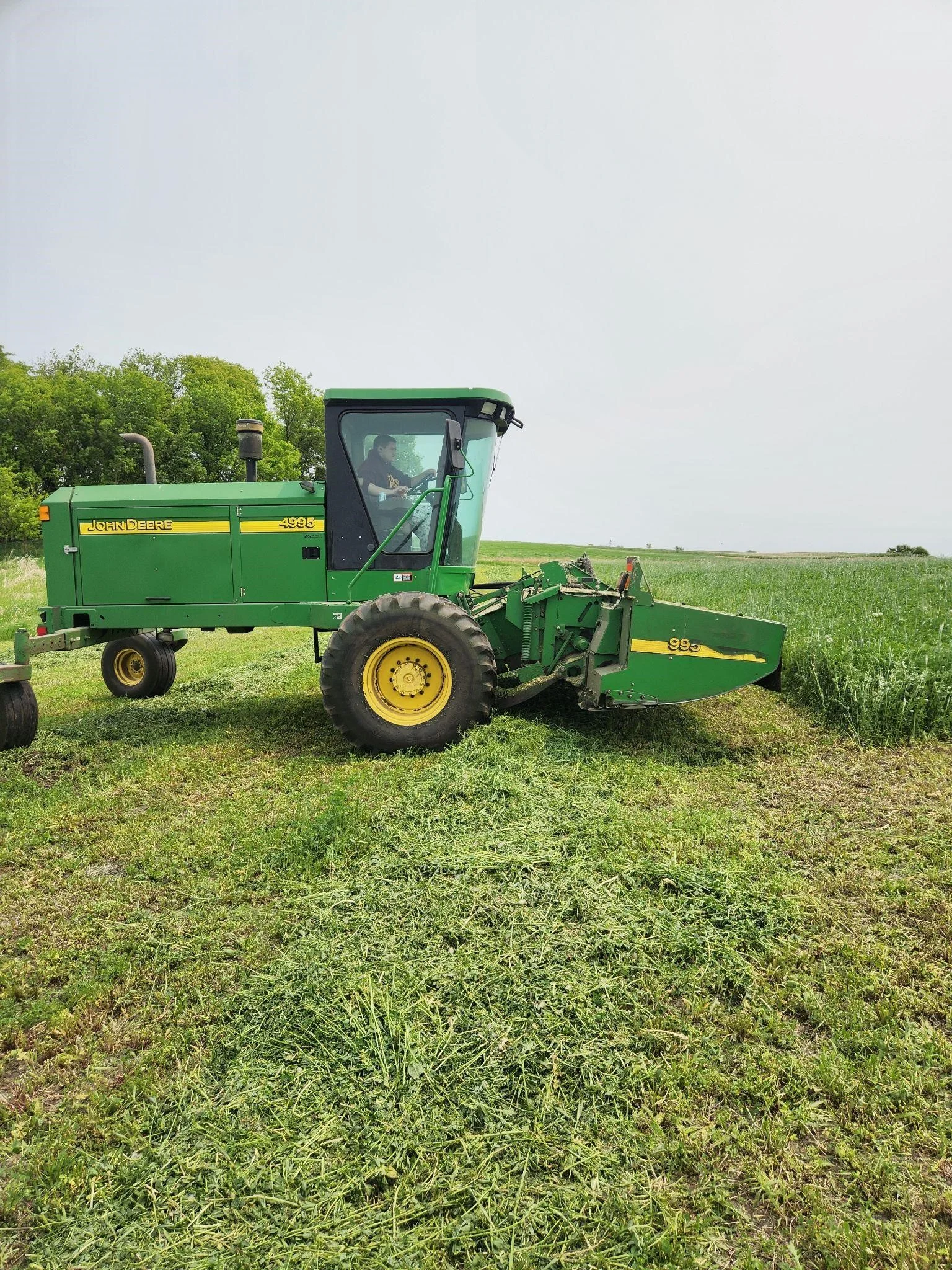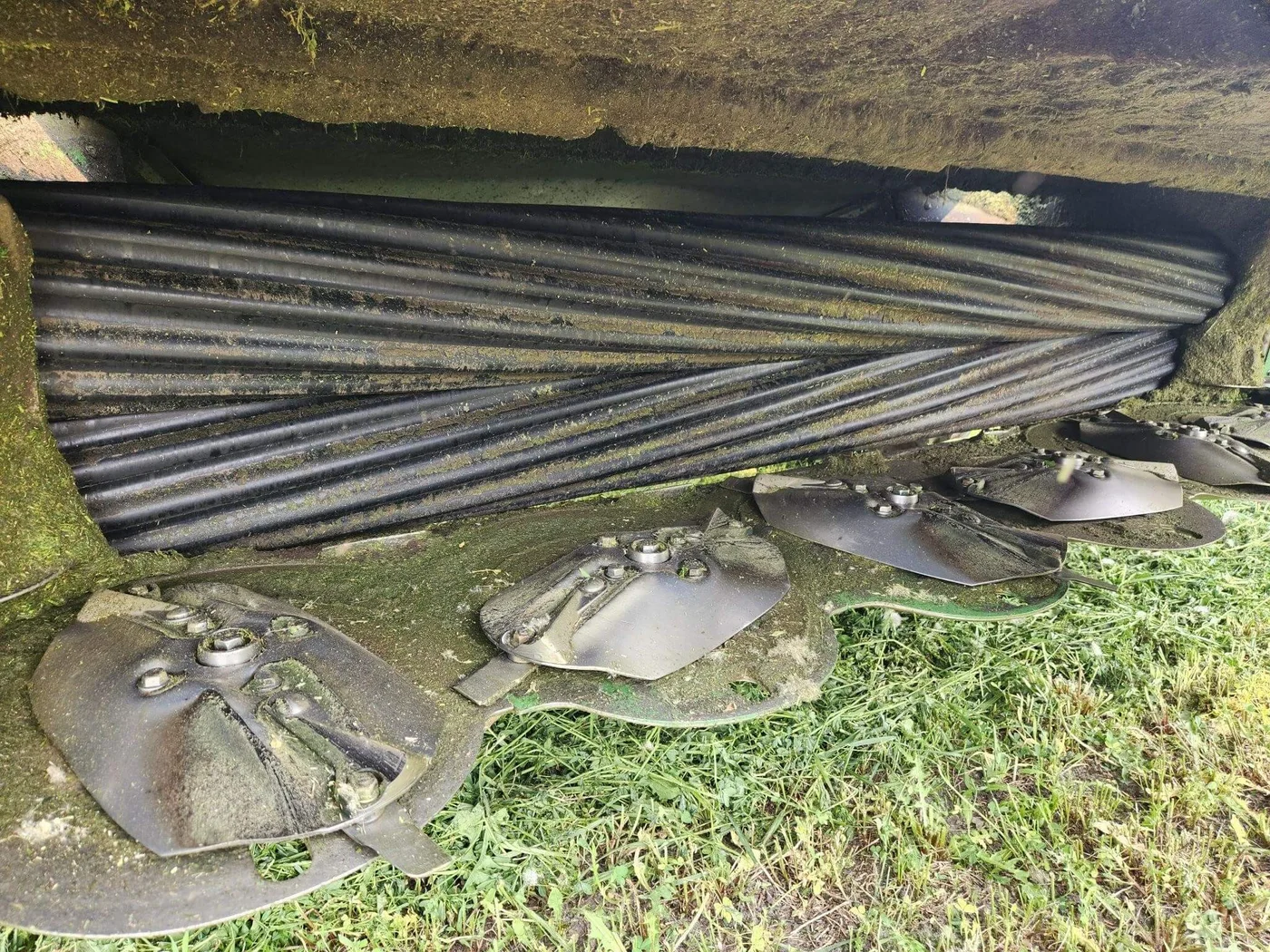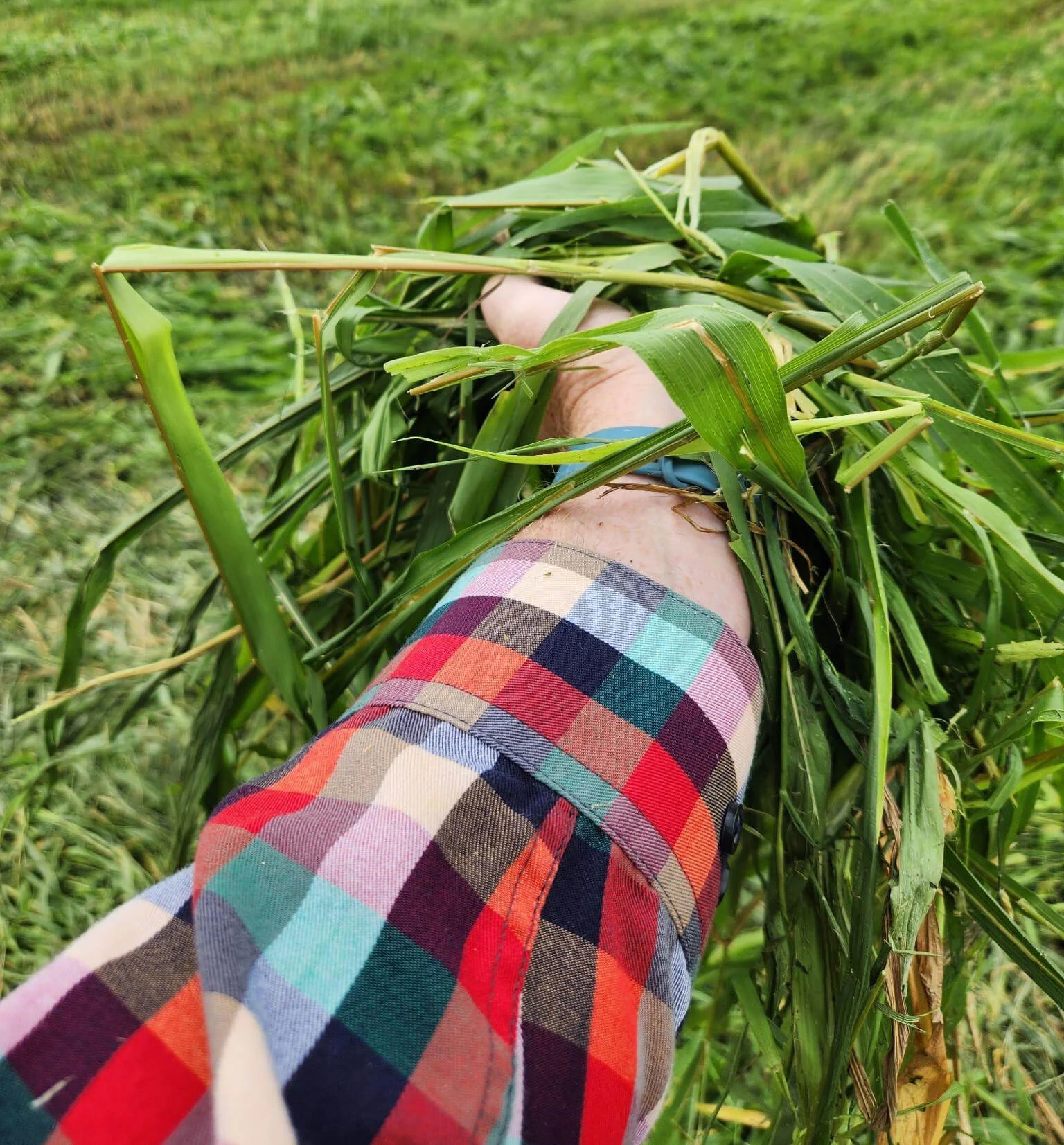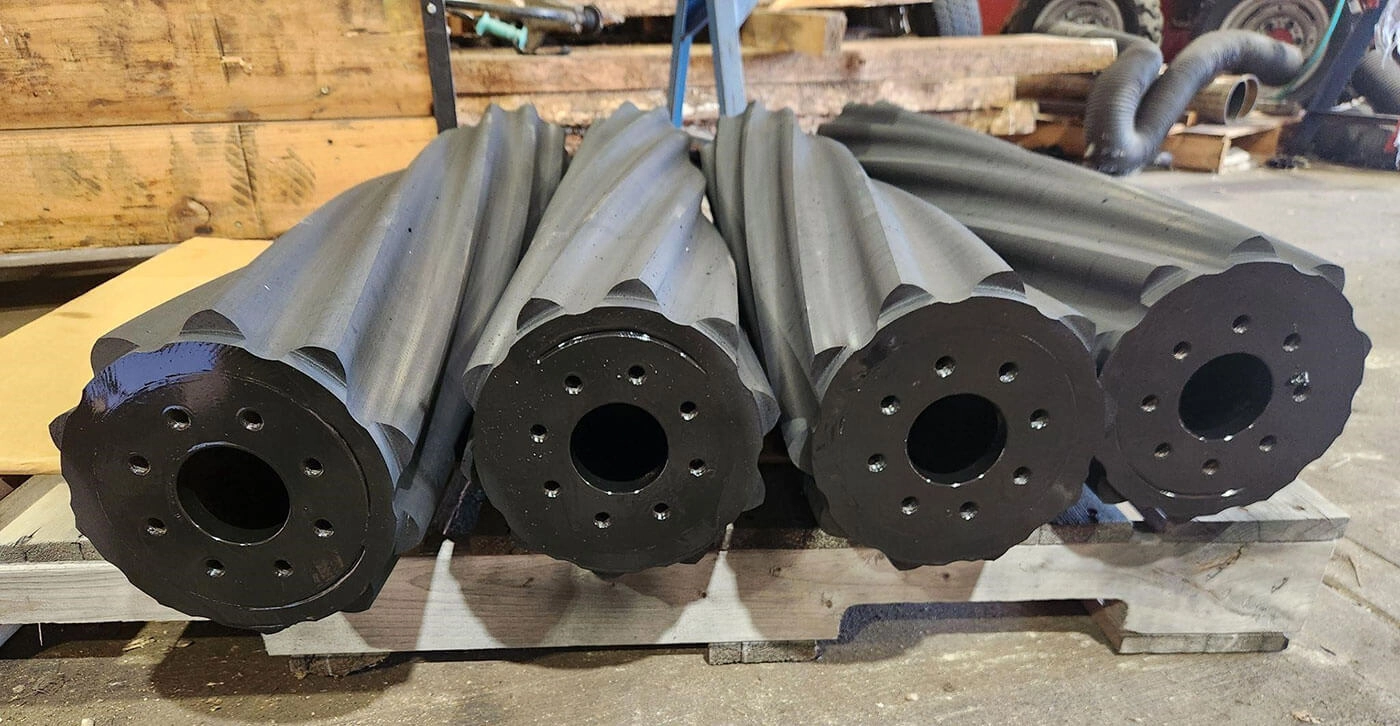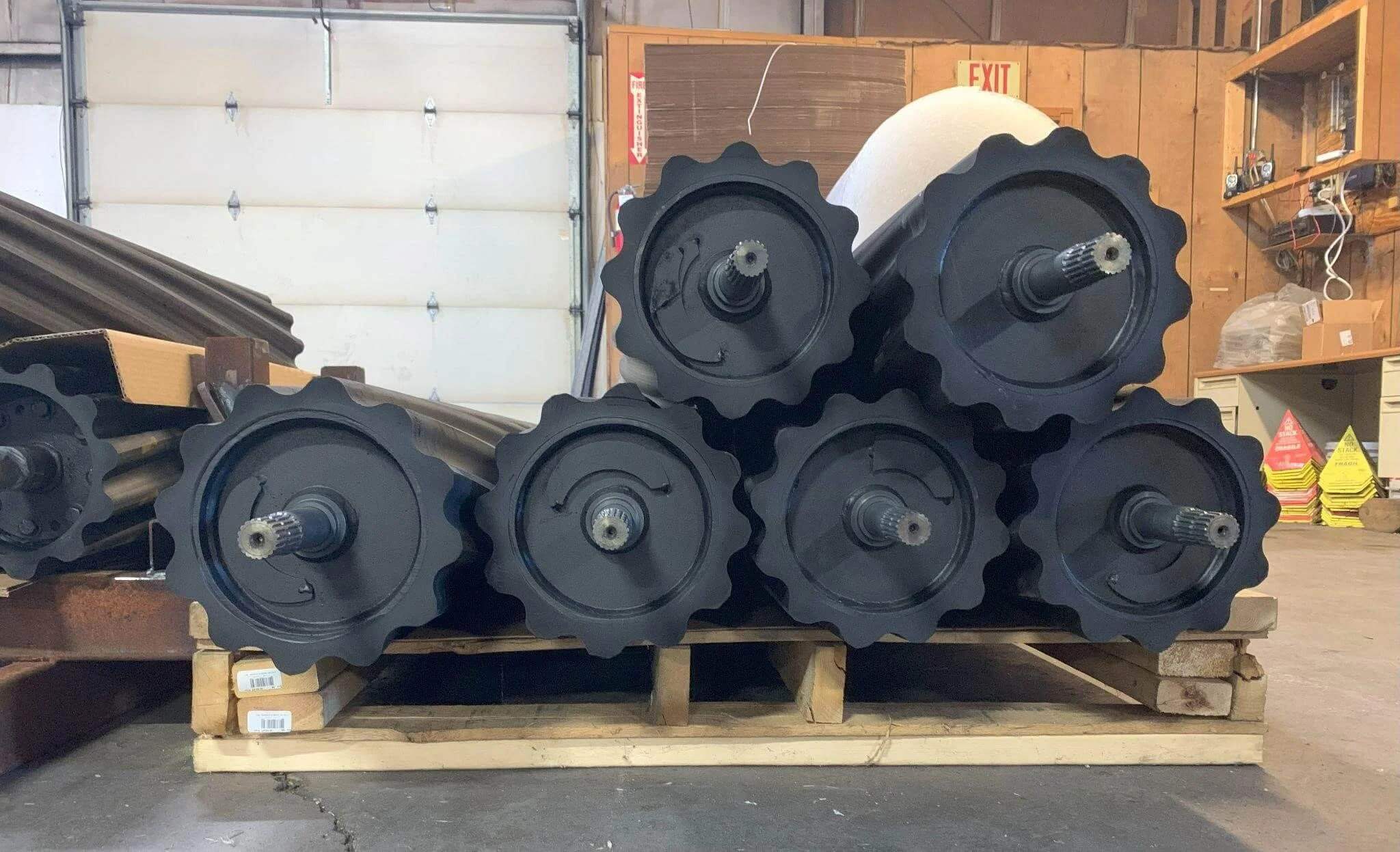
When it comes to harvesting high-quality hay, the roller you choose can make or break your results. The difference between rubber vs. steel rollers isn’t just about materials—it’s about drying speed, leaf retention, and how efficiently you can get back in the field.
At B&D Rollers, we’ve worked alongside farmers for decades, helping them push for better performance and bigger returns. Our BD Crusher Rollers are specifically engineered for the ag industry, and have proven results in side-by-side testing—beating out CNH and AGCO models by reaching 12% moisture first, with better leaf retention and faster dry-downs.
Contact us today to see if the Crusher is the right fit for your operation.
In hay and forage operations, time is everything. The quicker you can dry your crop, the less likely it is to be damaged by unexpected rain or delays. At the same time, preserving leaf matter is critical for maintaining the nutritional value of your hay—especially in high-value crops like alfalfa.
That’s where the roller comes in. A good roller crushes stems just enough to promote even moisture release, without pulverizing leaves. But not all rollers perform the same, and material plays a big role in the outcome.
Steel rollers have been used in agriculture for decades. They’re strong, simple, and long-lasting. For heavy-duty use and extreme field conditions, steel rollers can handle the pressure.
Benefits of steel rollers:
But here’s the tradeoff: Steel rollers are aggressive. That means more leaf shatter, slower dry-down times, and increased vibration through your equipment. Over time, that wear and tear can cost you—in both crop quality and machine longevity.
Rubber rollers, on the other hand, are engineered to be gentler on your crop. They still deliver the crushing power needed to condition stems—but they do it in a way that protects fragile leaf material.
Why more farmers are choosing rubber:
Our BD Crusher Rollers have consistently outperformed OEM options in the field. In recent testing, they were the first to reach 12% moisture, beating both CNH and AGCO setups. And because they preserve more leaf matter, the result is a more valuable, nutrient-rich bale.
We don’t just talk performance—we back it up. Farmers running BD Crusher Rollers report:
These improvements translate to real ROI: more consistent harvests, higher feed quality, and less downtime in the field.
| Feature | Rubber Rollers | Steel Rollers |
| Drying Time | Faster (25–50%) | Slower |
| Leaf Retention | Excellent | Moderate to Poor |
| Vibration | Low | High |
| Crop Protection | High | Moderate |
| Durability | High (replaceable components) | Very high |
| Maintenance | Easier | Requires more frequent upkeep |
The best choice depends on your operation, but here are a few key points to consider:
In the debate between rubber and steel rollers, it all comes down to results in the field. While steel rollers offer brute force, they often fall short on the two things that matter most—quality and efficiency. Rubber rollers—especially the BD Crusher Rollers—deliver where it counts: better leaf retention, faster drying, and longer equipment life.
If you’re ready to make hay while the sun shines—and do it faster and with better forage quality—it might be time to rethink your rollers.
Contact us today and let’s get your equipment set up to crush it this season.
The main difference between rubber and steel hay rollers is how they condition crops and impact hay quality.
Steel rollers use aggressive crimping to break thick stems and are durable for heavy crops, but they can cause more leaf loss and vibration. Rubber rollers condition hay more gently, preserving leaves, reducing vibration, speeding dry-down time, and improving overall forage quality, especially for leafy crops like alfalfa.
Yes, rubber rollers are generally better for hay quality because they condition crops more gently and evenly. They help preserve delicate leaves that contain most of the nutrients, reduce leaf shatter, and promote uniform dry-down. This result in higher feed value, better forage consistency, and improved overall hay quality compared to steel rollers.
Yes, rubber rollers typically dry hay faster than steel rollers. They provide more uniform stem crushing, which allows moisture to escape evenly across the crop. This consistent conditioning improves airflow through the hay, reduces dry-down time, and helps lower the risk of weather damage while preserving overall forage quality.
Steel rollers may be a better choice when working with very heavy, coarse, or woody crops that require aggressive stem crimping. They are also suitable for rough field conditions where maximum durability is needed and leaf preservation is less critical. In operations focused on strength and toughness rather than premium hay quality, steel rollers can be effective.
Yes, rubber rollers typically reduce machine vibration compared to steel rollers. Their flexible surface absorbs impact and smooth contact with the crop, resulting in quieter operation and less stress on the machine. Reduced vibration improves operator comfort, lowers wear on components, and helps maintain consistent conditioning performance.
Yes, many rubber hay rollers are compatible with a wide range of hay conditioning machines. Designed to fit common models and platforms, they can often be retrofitted into existing equipment without needing a full system replacement. This makes them a flexible and cost-effective option for farmers looking to upgrade performance, improve hay quality, and maintain efficient conditioning without buying new machinery.

No matter where you are, there’s a Crusher near you.