-->

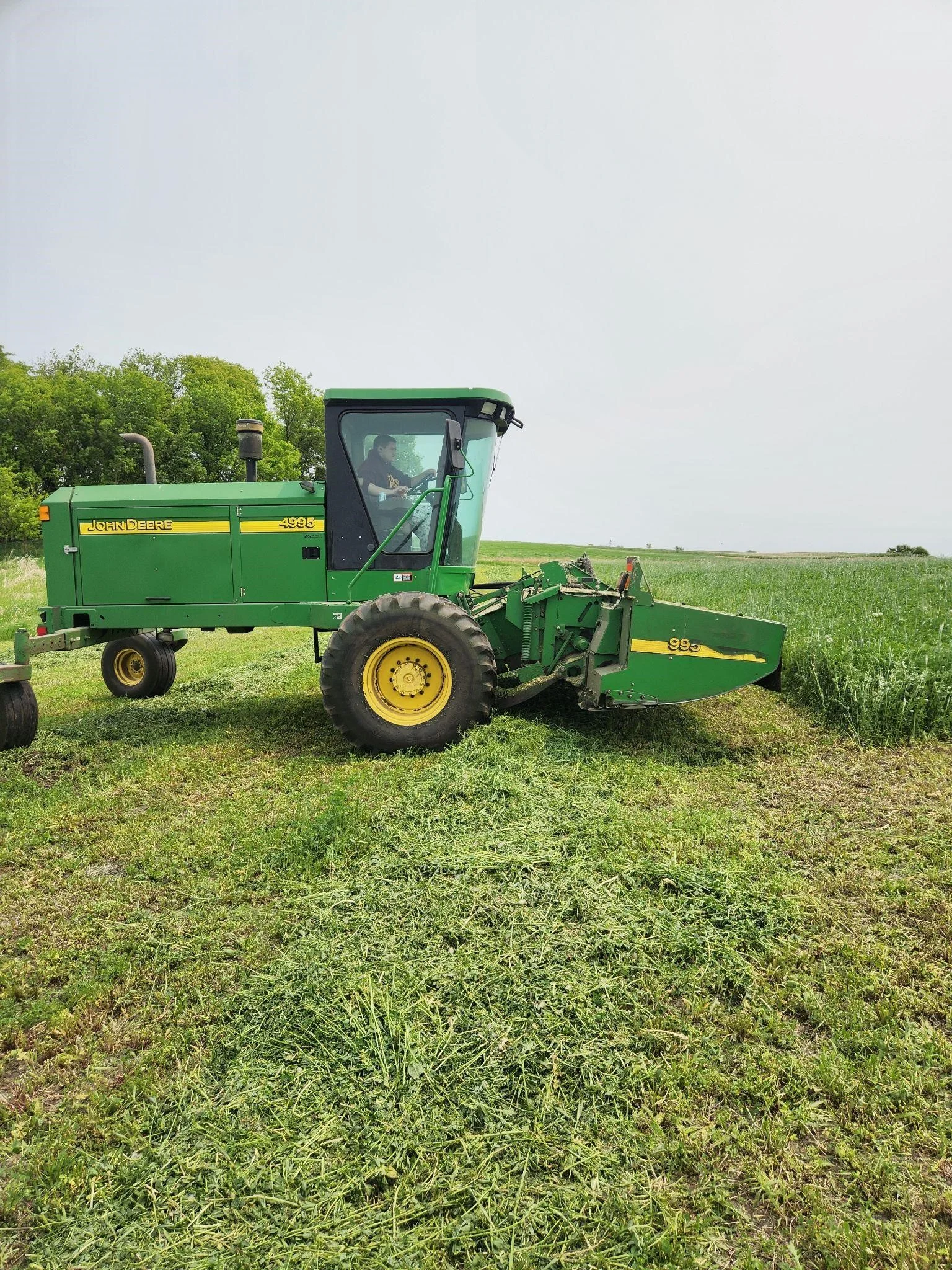
As cutting season approaches, it’s time to start preparing your equipment for the demanding weeks ahead. Before the first cutting begins, one of the most important tasks operators can perform is roller spring maintenance. Taking the time to inspect and prepare your rollers now can prevent costly downtime later, when every hour in the field counts. Rollers play a major role in conditioning hay and ensuring it dries evenly after cutting, so even small issues can affect performance and crop quality if they go unnoticed.
At B&D Rollers, we understand how critical reliable equipment is during hay season. Our agricultural rollers are built for durability and consistent performance in the field, but preseason inspections are still essential to ensure everything runs smoothly. If you have questions about roller condition, maintenance, or replacement options, Contact Us today and our team will help you prepare your equipment for a productive season.
Equipment that sits through the winter months often develops small issues that aren’t immediately obvious. Dust, moisture, and temperature changes can affect roller surfaces, bearings, and hydraulic components. Even if everything worked perfectly at the end of last season, it’s still important to perform a full inspection before putting your machine back into service.
Skipping routine roller spring maintenance can lead to problems such as:
During the busiest weeks of hay production, downtime becomes especially costly. Replacement parts may take time to source, and repair delays can disrupt harvest schedules. Performing preventative maintenance now helps ensure your rollers are ready to handle the workload ahead.
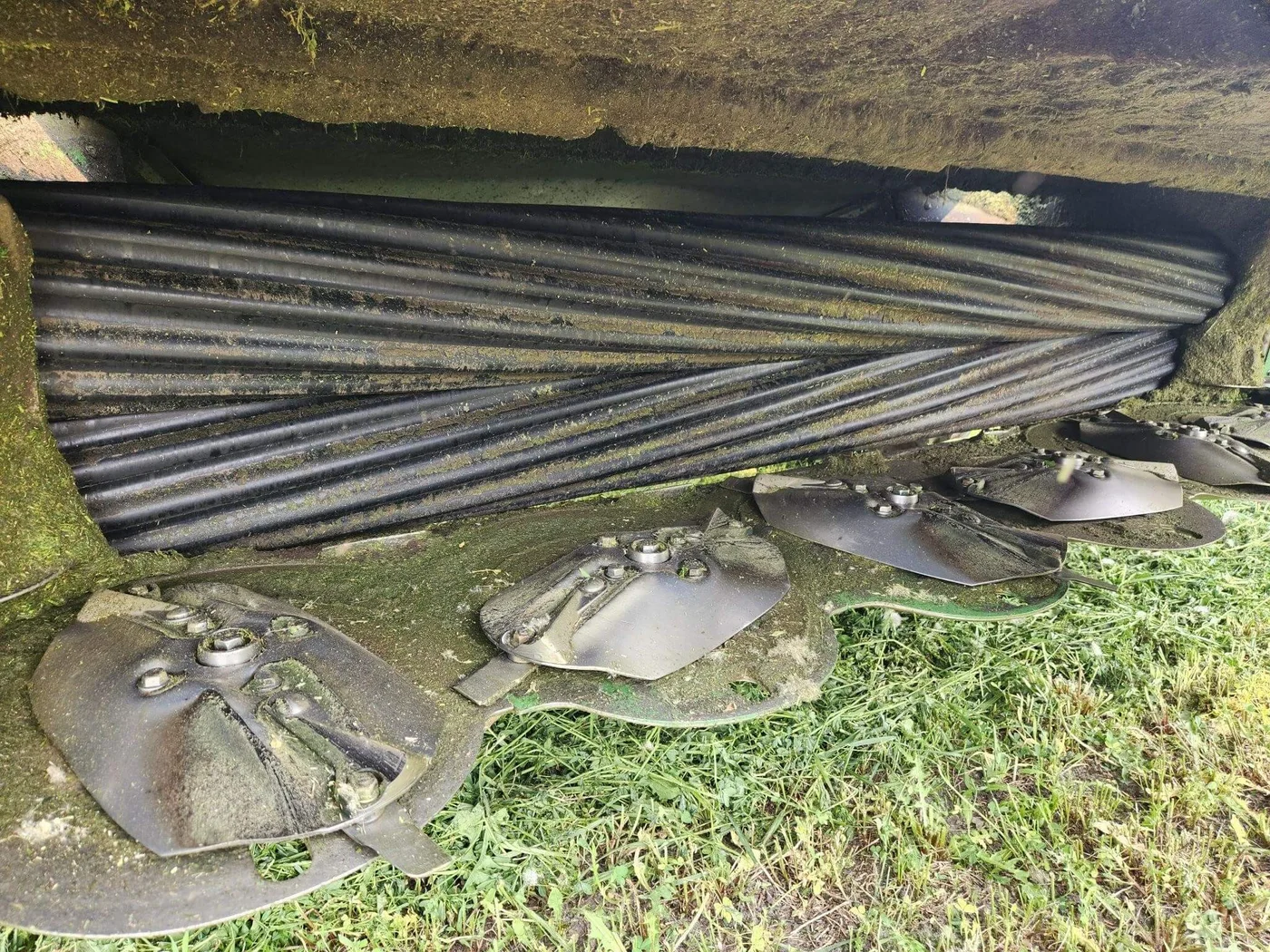
Your first step in spring preparation should be a careful inspection of the roller surfaces themselves. Because rollers are constantly in contact with crop material, they naturally experience wear over time.
Look closely along the entire length of each roller. Signs of damage may include:
These issues can prevent rollers from properly conditioning the crop. When rollers lose their original shape or surface consistency, they may not crimp stems effectively, which can slow the drying process.
Over the winter, debris or rust may accumulate on exposed metal parts. Dirt buildup can interfere with roller movement and reduce efficiency. Cleaning the rollers thoroughly before operation helps restore smooth performance.
If you notice corrosion forming on critical surfaces, it may be worth addressing the problem early to prevent further deterioration.
Alignment is another key factor that impacts conditioning performance. Misaligned rollers can lead to uneven crop processing and additional strain on the machine. Make sure rollers sit correctly in their mounts and rotate without wobbling.
Bearings play a crucial role in allowing rollers to rotate smoothly. If bearings are worn or damaged, rollers may struggle to move freely, which increases friction and wear.
Before starting the machine, manually rotate the rollers to check for smooth movement. They should spin freely without resistance. If you feel grinding, roughness, or sticking, it may indicate bearing issues.
Bearings that have excessive movement or produce unusual noises may be nearing failure. Signs of worn bearings include:
Addressing these problems early is a key part of effective roller spring maintenance.
Waiting until a bearing fails completely can cause additional damage to surrounding parts. Replacing worn bearings during preseason inspections is usually faster and less expensive than dealing with a breakdown in the middle of hay season.
Scrapers are designed to prevent crop material from wrapping around rollers during operation. If scrapers are bent or improperly adjusted, debris can build up and reduce efficiency.
Inspect scrapers for damage or looseness. They should remain straight and firmly attached to their mounting points. Bent or loose scrapers may fail to keep rollers clean while the machine is running.
Proper clearance between the scraper and roller surface is essential. If the scraper sits too far away, material can accumulate. If it’s too tight, it may cause unnecessary friction or wear.
Over time, the leading edge of the scraper can dull, or the rubber rollers can wear down, increasing the gap and reducing effectiveness.
Consult your equipment manual for recommended settings and make adjustments as needed, or call your representative at B&D Rollers
Many modern hay machines rely on hydraulic systems to control roller pressure and other adjustments. These systems should be inspected carefully before the first cutting of the season.
Look for visible signs of wear, including:
Hydraulic leaks not only reduce system performance but can also create safety hazards.
Roller pressure settings help determine how aggressively stems are conditioned. If the hydraulic system isn’t functioning properly, rollers may apply too much or too little pressure.
Testing the system during preseason checks ensures consistent performance once you enter the field.
If you have a spring loaded tension system this also needs to be checked.
Proper lubrication is one of the simplest yet most effective steps in roller spring maintenance. Greasing moving parts reduces friction and helps extend the life of critical components.
Apply grease to all recommended lubrication points, including:
Fresh lubrication helps components operate smoothly and prevents premature wear.
Every machine has specific lubrication requirements. Following the manufacturer’s maintenance schedule ensures the correct amount of grease is applied without over-lubricating parts.
Routine lubrication throughout the season is just as important as preseason preparation.
Proper settings allow rollers to crimp stems effectively without damaging the plant material.
Check your machine’s manual to confirm the correct settings for your specific equipment. If you have any questions about tension settings, call your B&D Rollers representative for proper pressure and adjustments.
Adjustments made during spring maintenance help ensure optimal crop processing from the first cutting onward.
After completing your inspections and adjustments, run the machine briefly before taking it into the field. This test run allows you to confirm that everything operates as expected.
During the test, pay attention to:
A short test run can reveal problems that might otherwise appear once work has already begun.
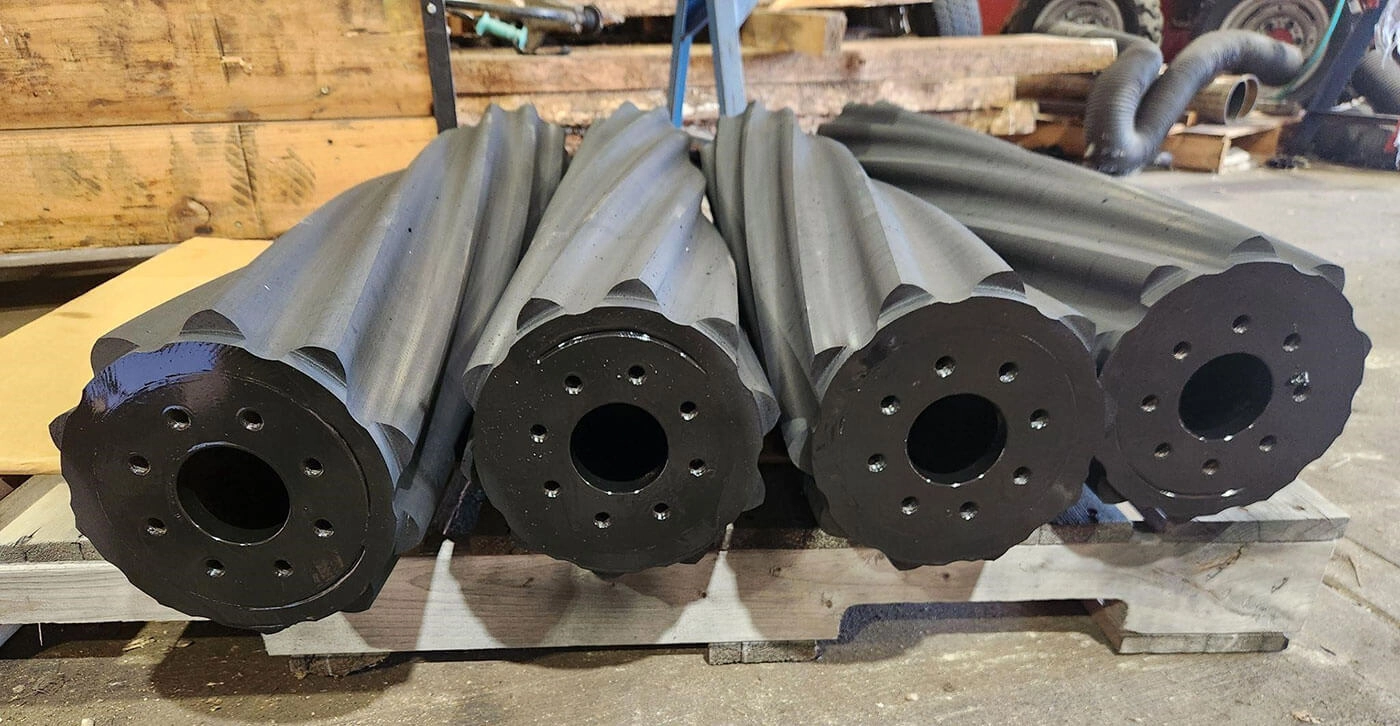
Even with careful maintenance, rollers eventually reach the end of their service life. If your inspection reveals significant wear or repeated mechanical issues, replacement may be the most practical solution.
Signs that rollers may need replacement include:
High-quality replacement rollers can restore your machine’s performance and help improve crop conditioning efficiency. Upgrading worn rollers before hay season begins can help avoid unexpected downtime when production is at its peak.
Completing your roller spring maintenance before the first cutting of the season is one of the best ways to protect both your equipment and your harvest schedule. Inspecting roller surfaces, bearings, scrapers, hydraulic systems, and lubrication points helps identify small issues early, reducing the risk of unexpected breakdowns during the busiest weeks of hay production. A simple preseason checklist can go a long way toward improving roller performance and ensuring consistent crop conditioning in the field. It will help you save time and money during peak hay season.
At B&D Rollers, we are committed to helping operators keep their hay equipment running at its best. If your inspection reveals worn or damaged rollers, Contact Us today to learn more about our durable replacement rollers and solutions designed to handle the demands of the season ahead.

No matter where you are, there’s a Crusher near you.